


Streaks
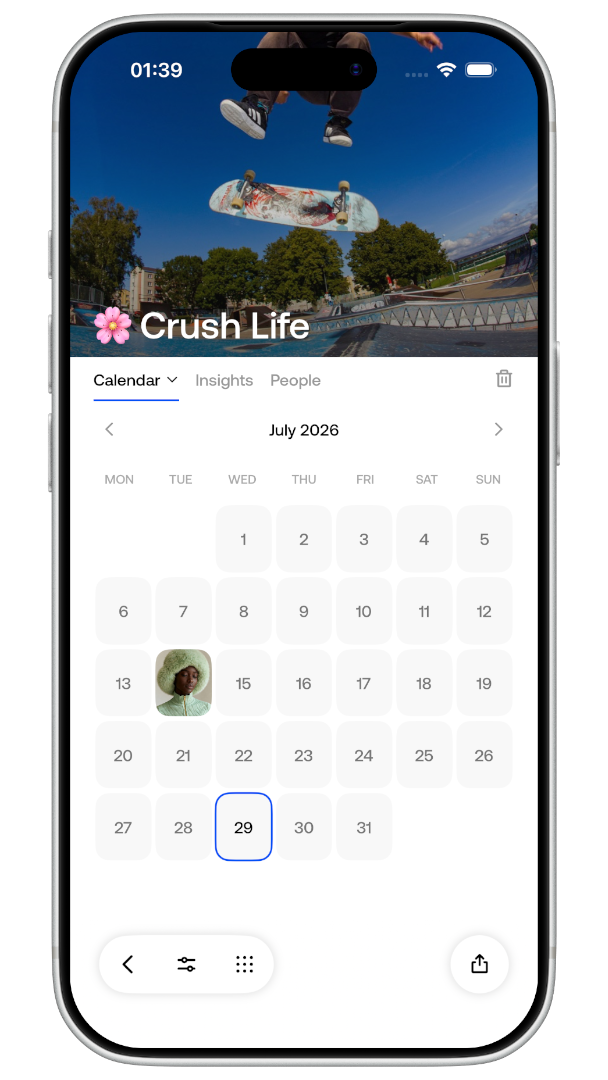
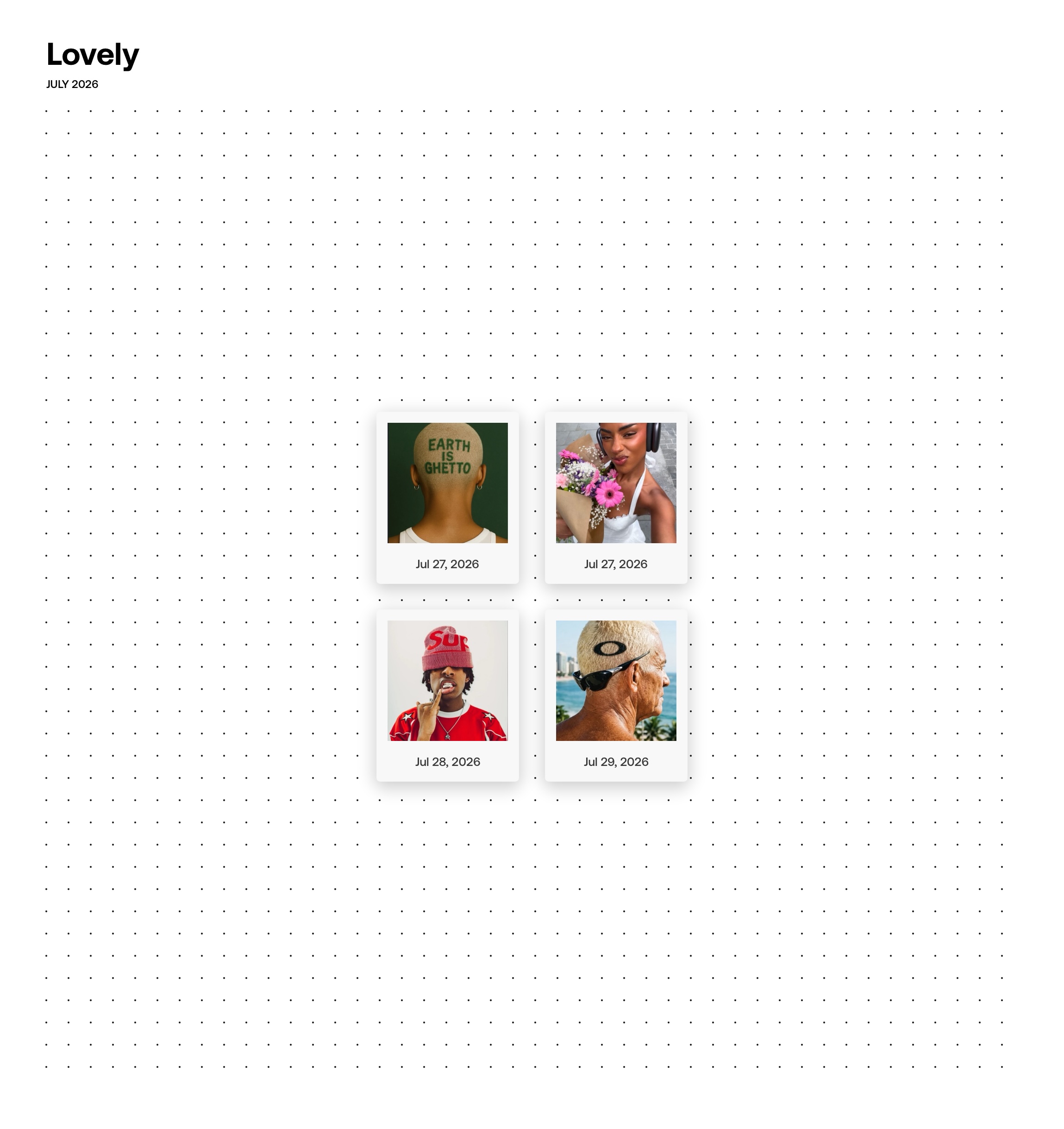
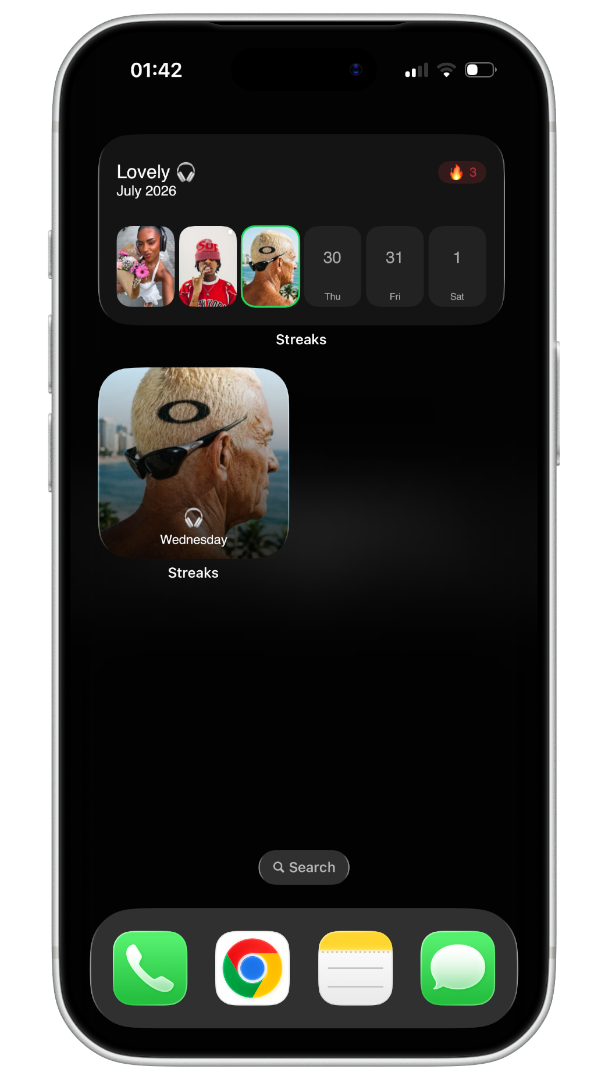
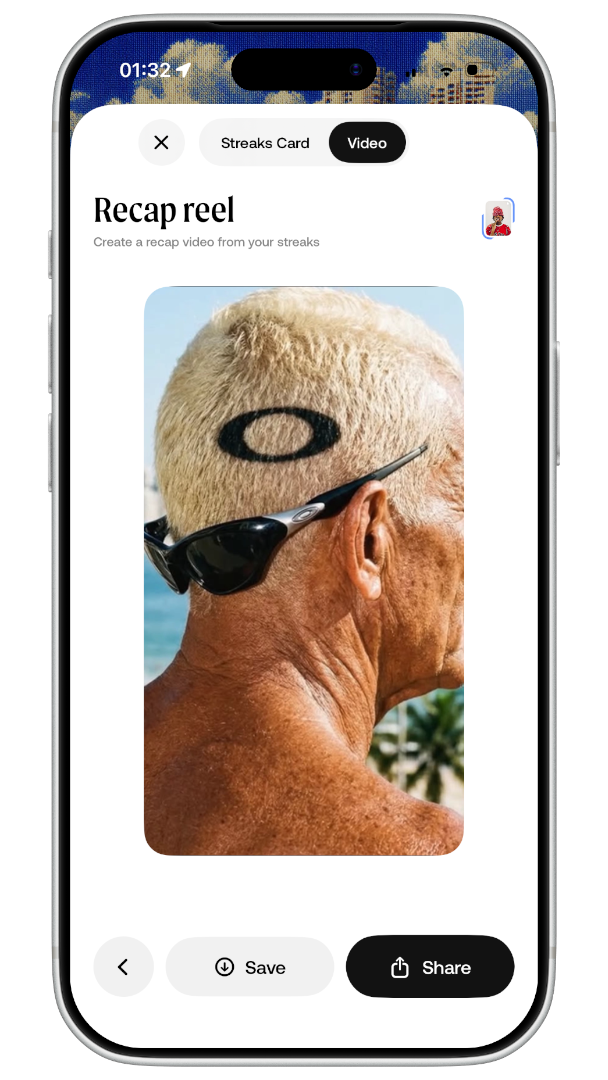
Streaks started with a simple question: what if a habit tracker asked for proof instead of a checkmark? A photo does more than confirm that something happened. It lets you see the habit changing over time.
The first build was tiny: create a tracker, post one photo a day, keep the streak alive. Then I put it in front of friends, watched the model break, and rebuilt around what they expected to happen.
Replacing the checkmark
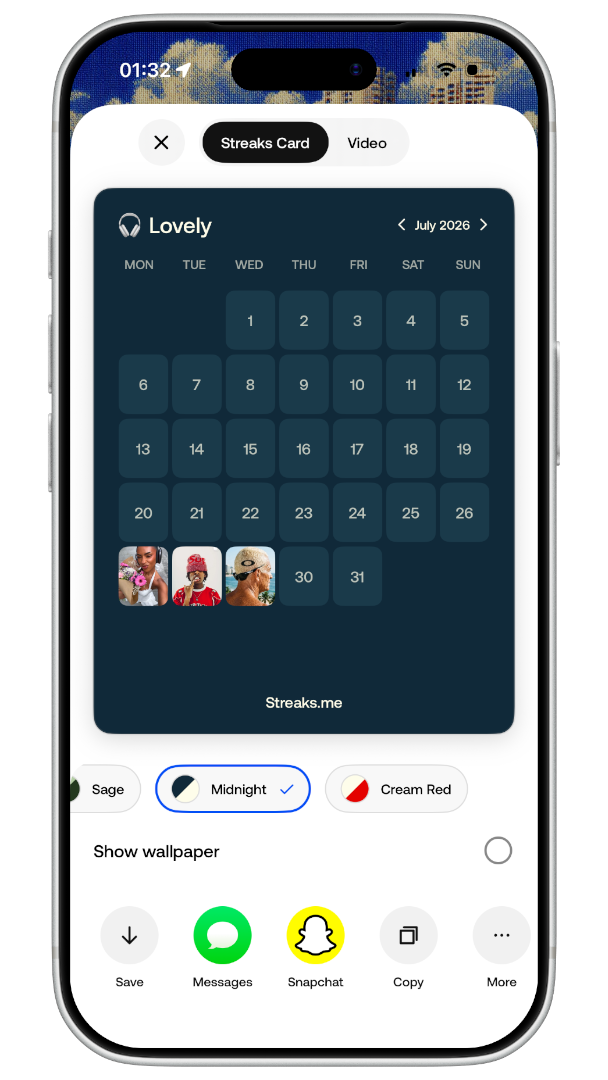
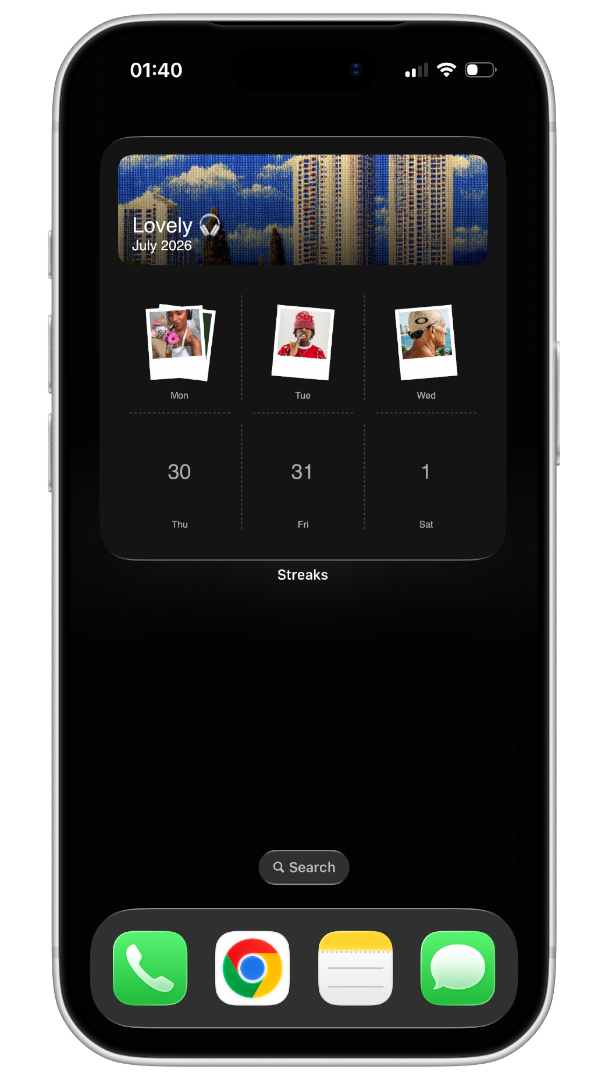
The first version was deliberately narrow: a personal tracker where the main action was taking a photo. The streak still mattered, but the archive mattered more. It turned progress into something visible.
That changed the product questions. Posting had to feel fast. The archive had to be worth opening again. Some habits only needed a visual log; others needed a place boundary or a bit of pressure from friends.
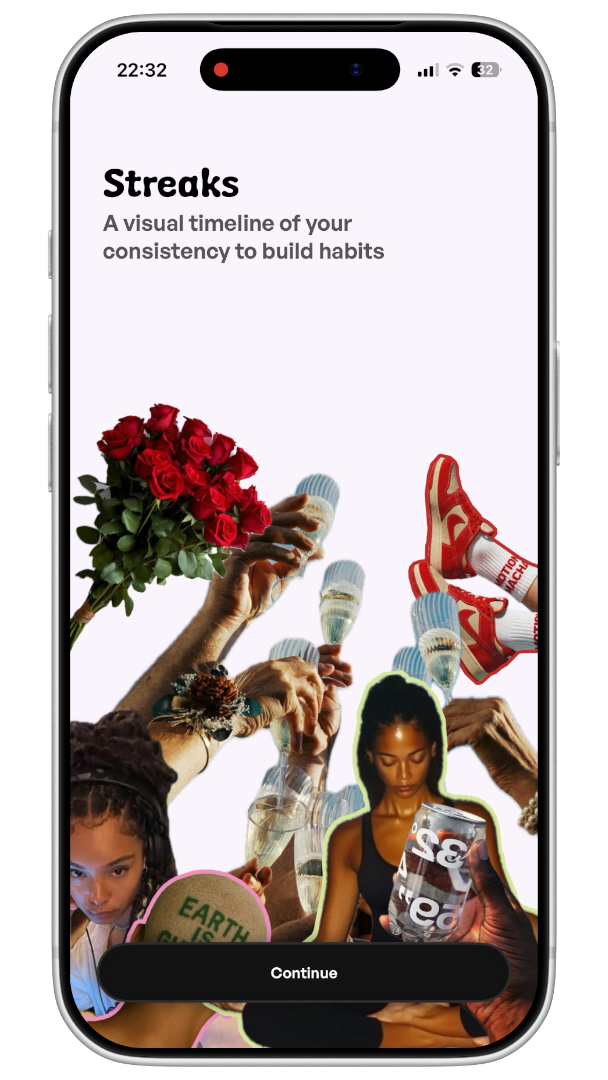
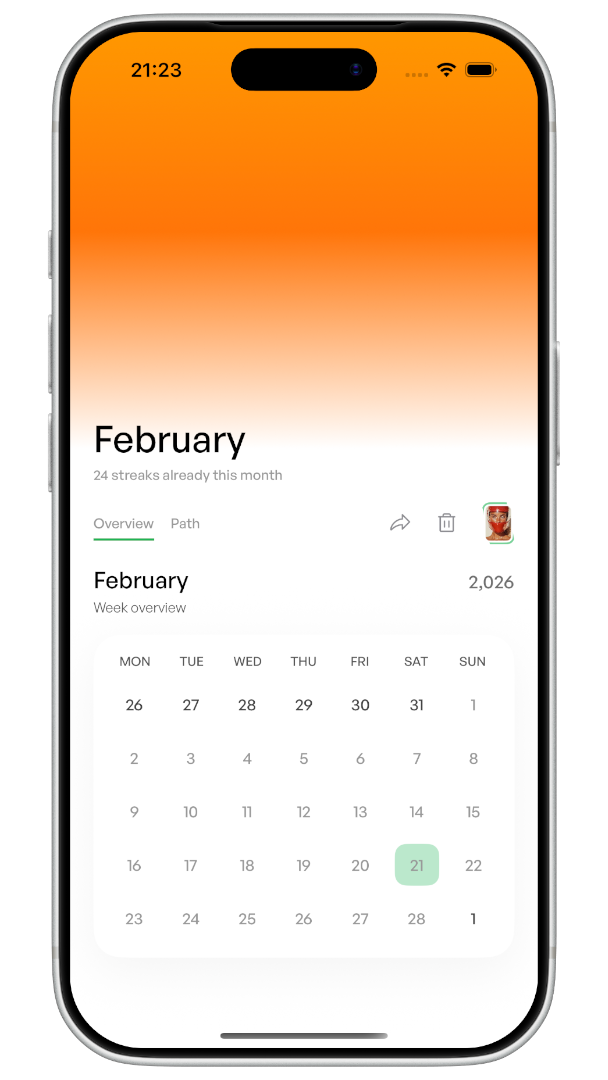
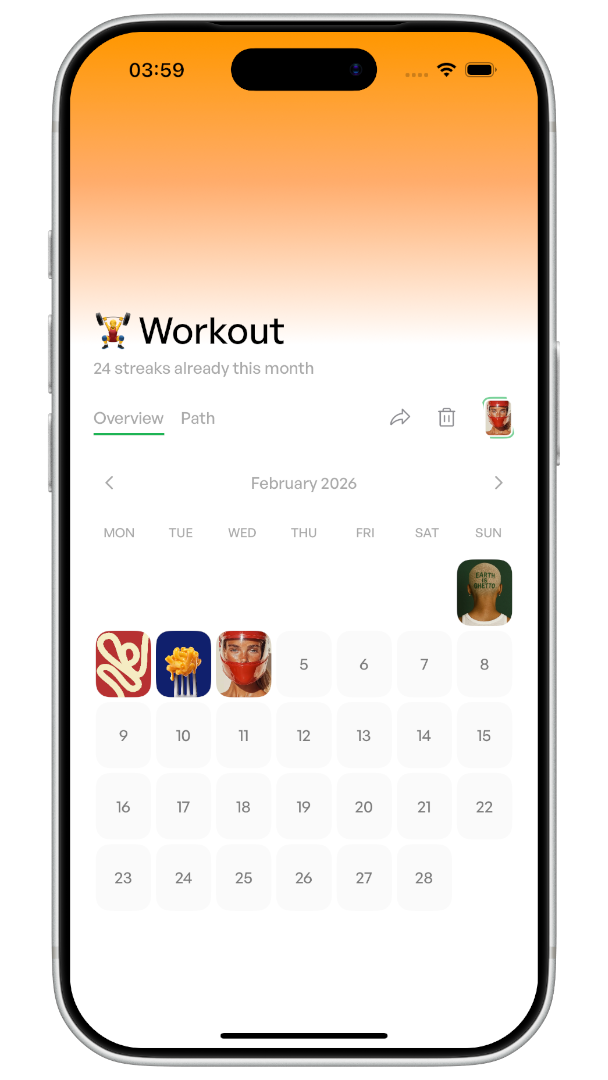
For habits tied to a place, Streaks can require the user to be there before logging progress. It turns intention into a small boundary: gym trackers at the gym, studio trackers at the studio, and fewer fake wins.
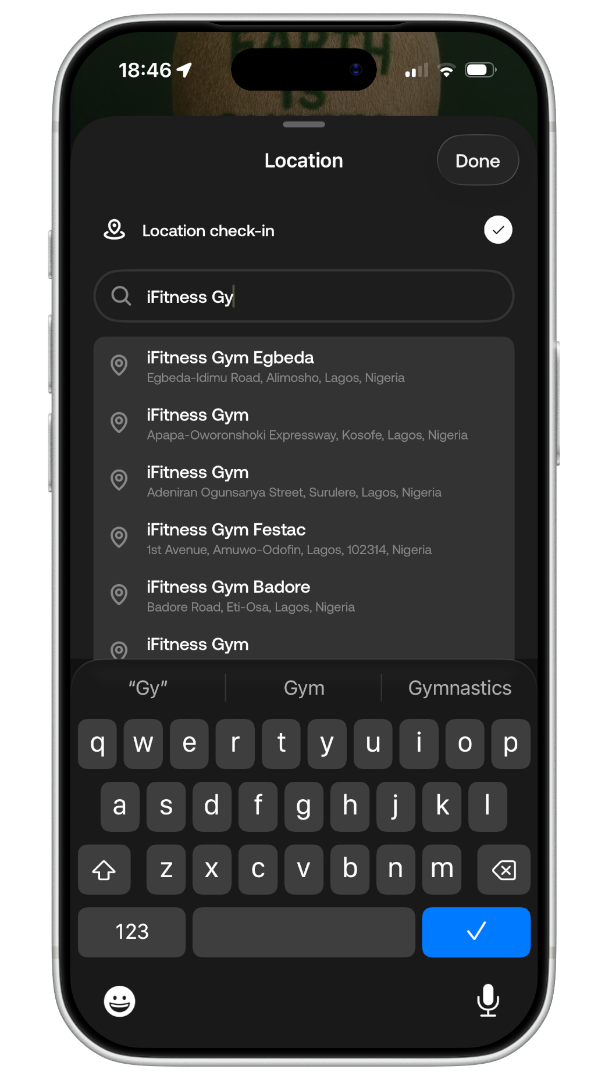
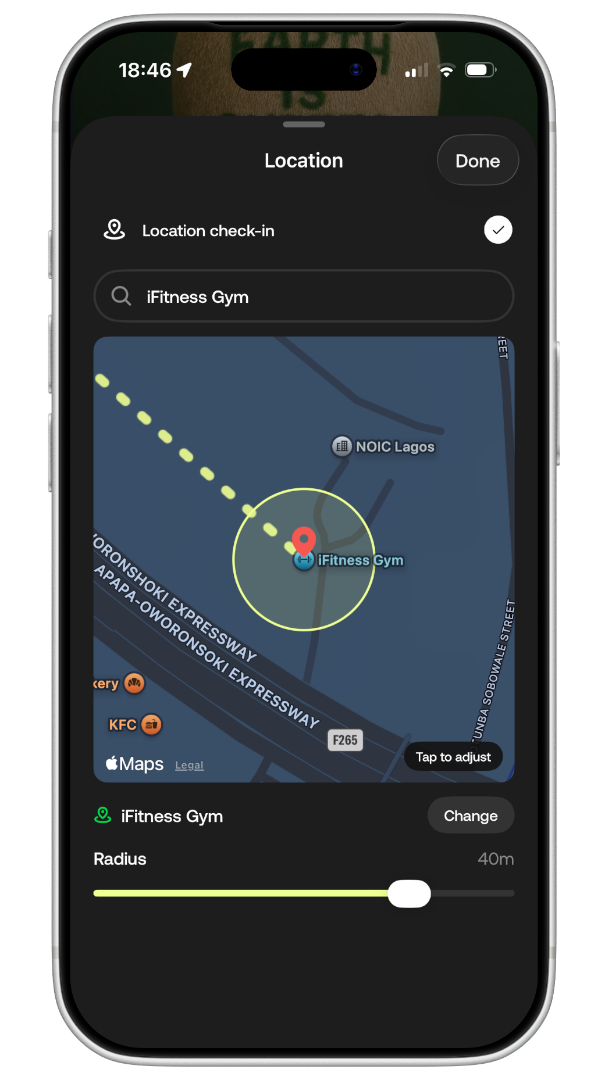
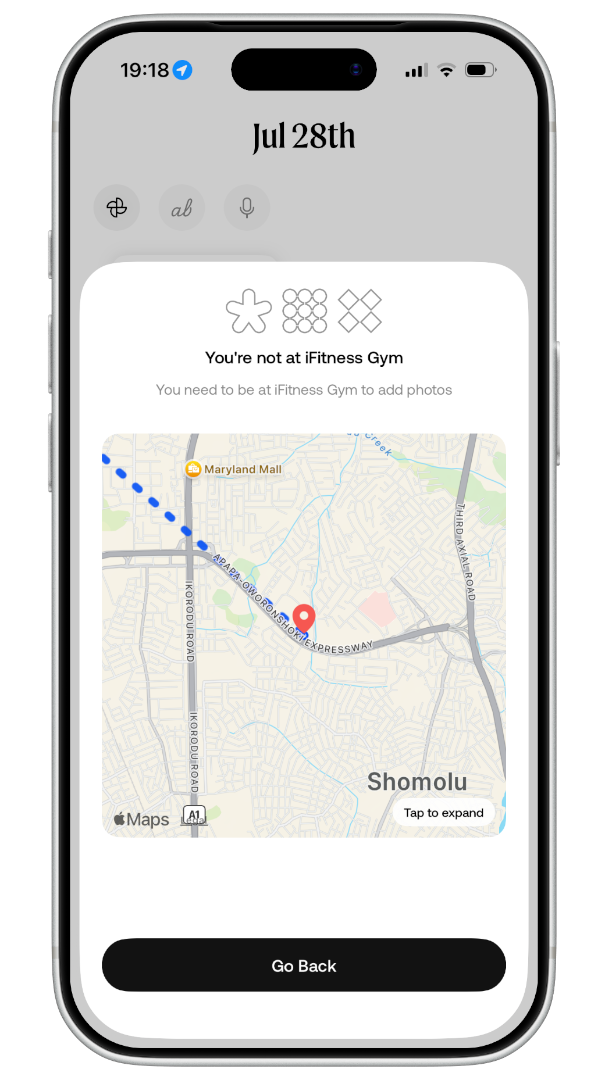
Once photos became the core action, shared habits started to feel natural. A workout tracker could become a small group space where friends post progress into the same streak instead of maintaining separate counters.
That meant adding just enough group machinery for the tracker to feel shared without turning it noisy.
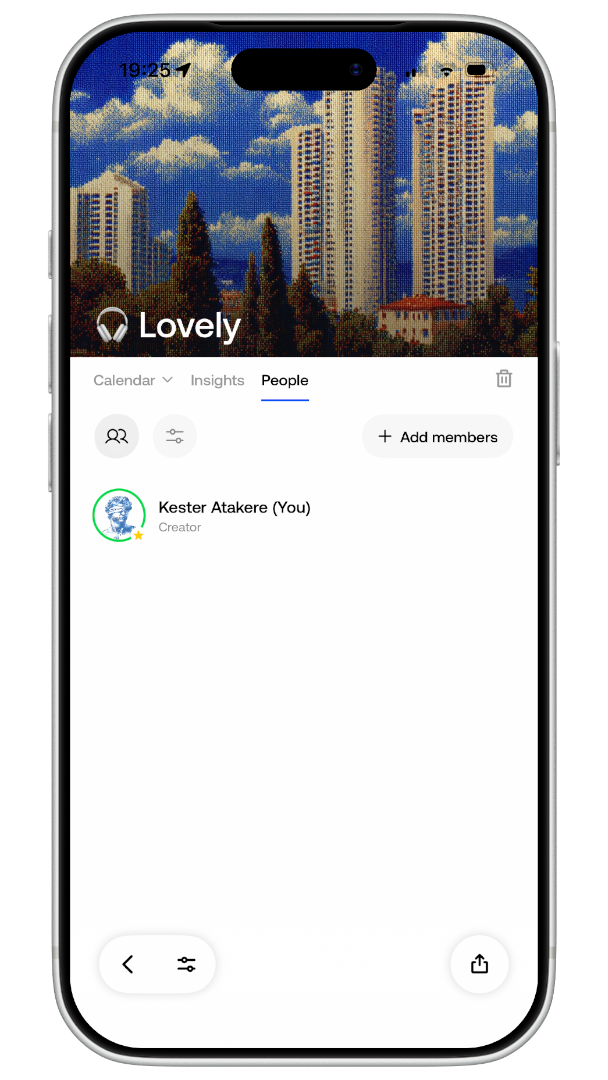
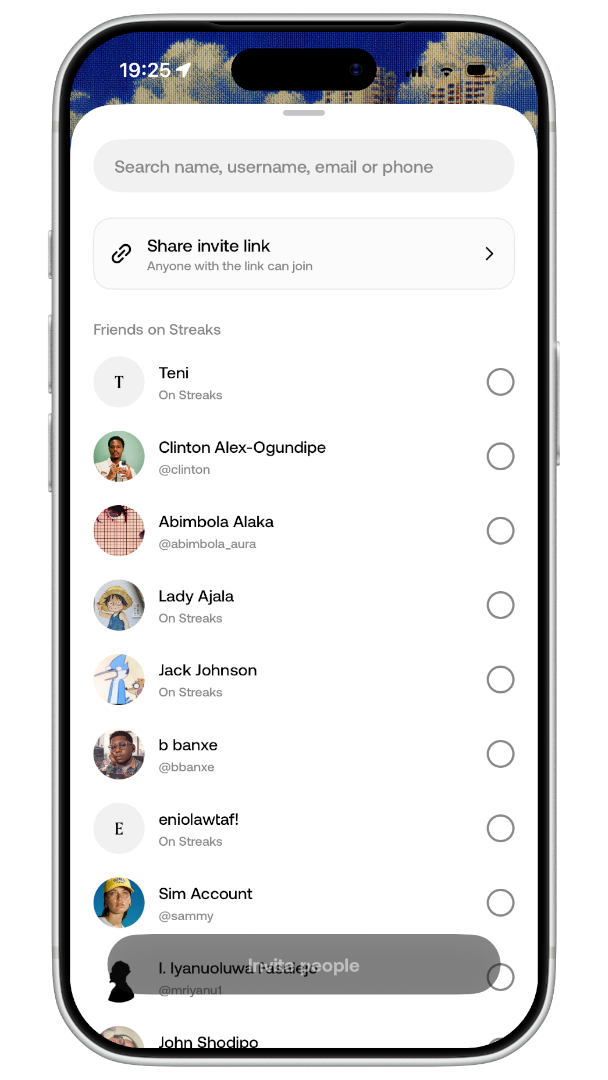
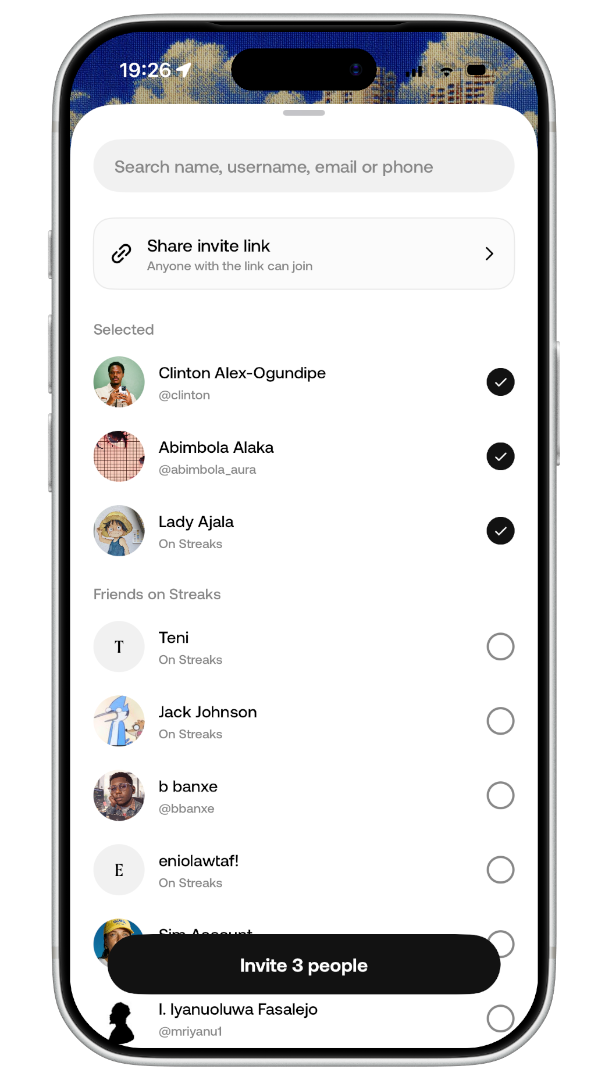
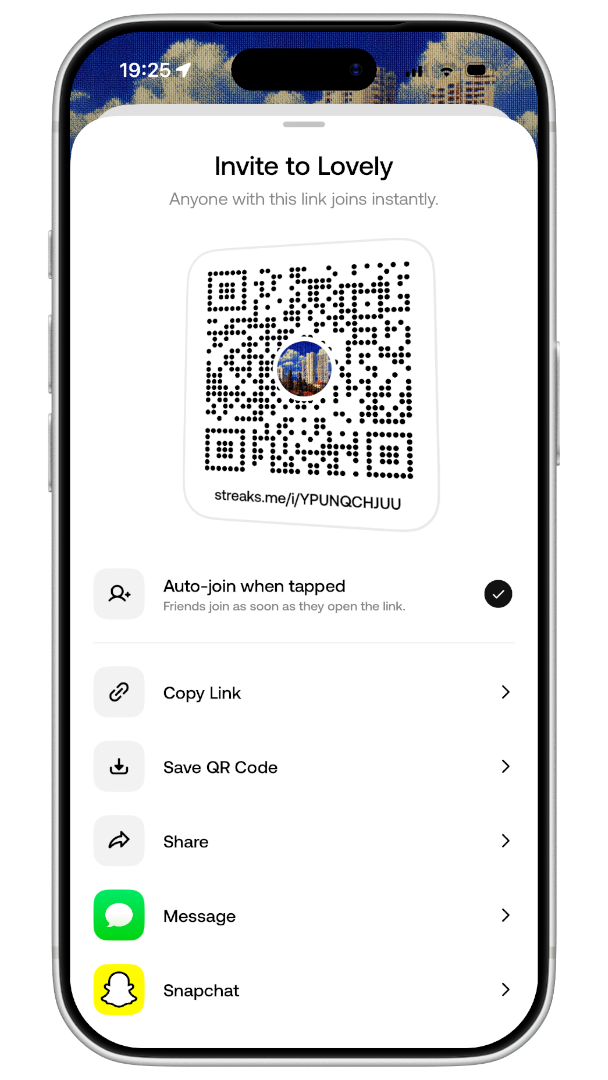
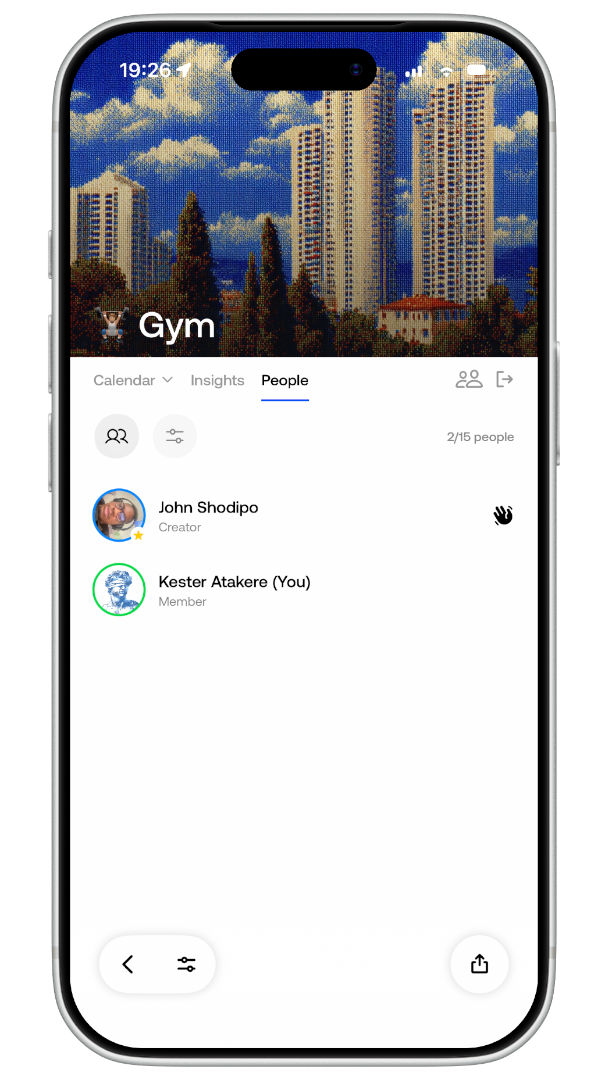
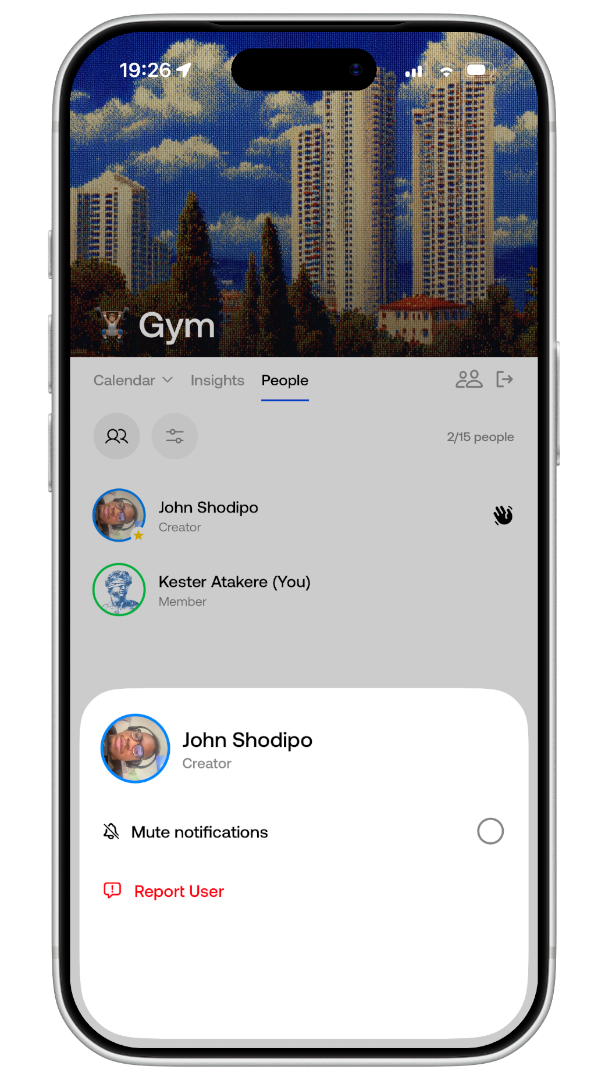
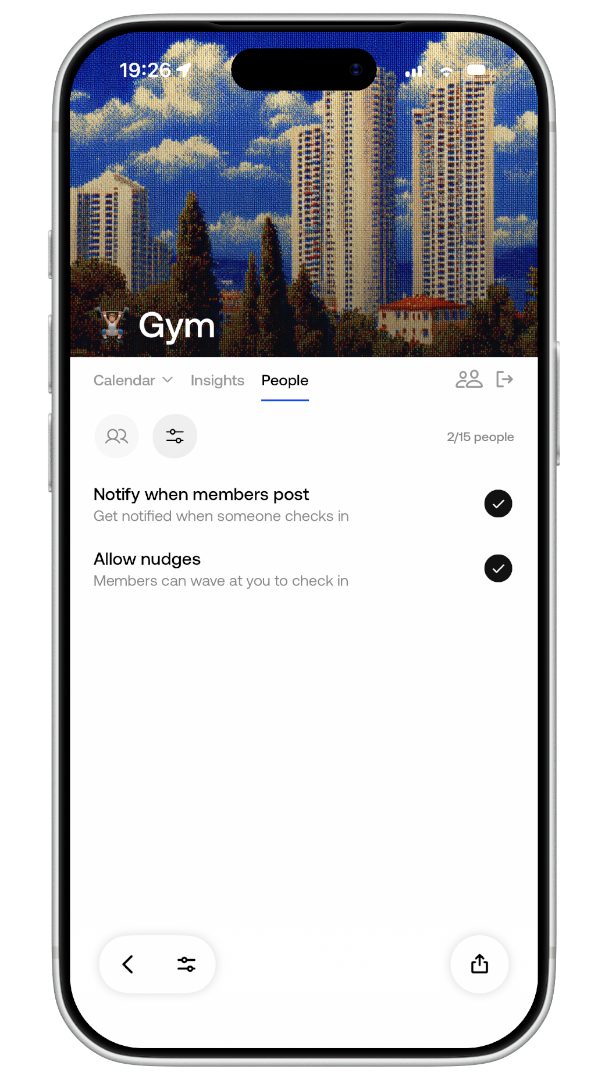
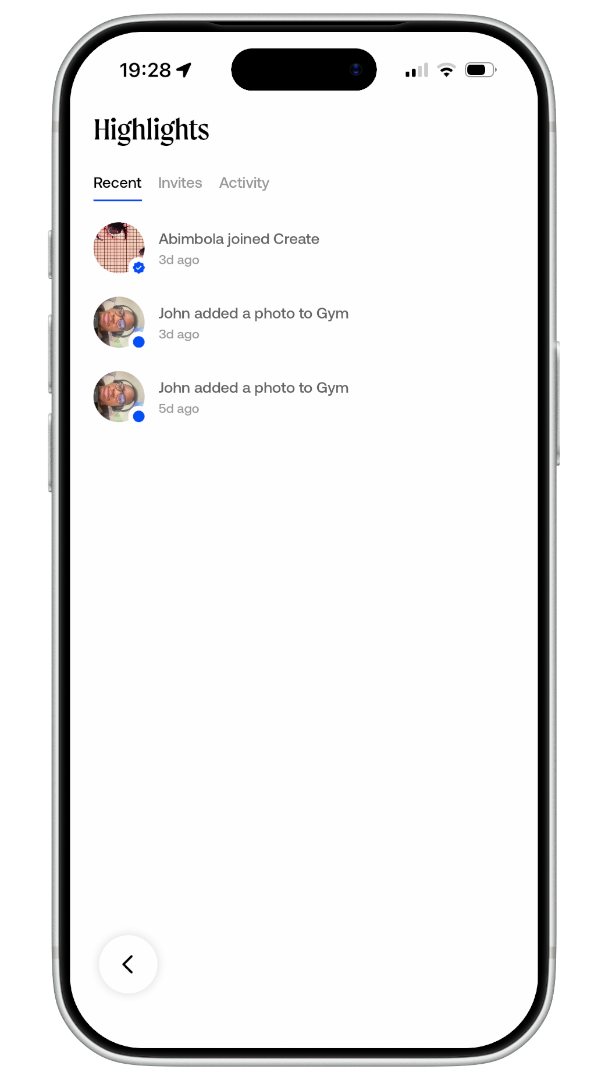
The early app had two modes: local trackers for quick solo use, and shared trackers that required an account. It looked like a good tradeoff until people started using it.
The first signal came from a close group of about eight testers. A few created local trackers, deleted the app, reinstalled it, and expected their progress to come back.
The bug report was simple, but the product problem was bigger: if a tracker had no user id, there was nothing to reconnect. Continuity could not be treated like an advanced feature in a habit app. It was the product.
The restore problem pushed Streaks away from local trackers and toward account-backed continuity.
Old model
- Create trackerNo sign-in required
- Save locallyOnly inside app storage
- Delete appLocal copy is wiped
- No restoreNo account ever existed
New model
- Sign in with phoneCreates a permanent user id
- Create trackerTied to that account
- Reinstall appSign in again
- Progress restoredSynced from the cloud
Protecting existing history
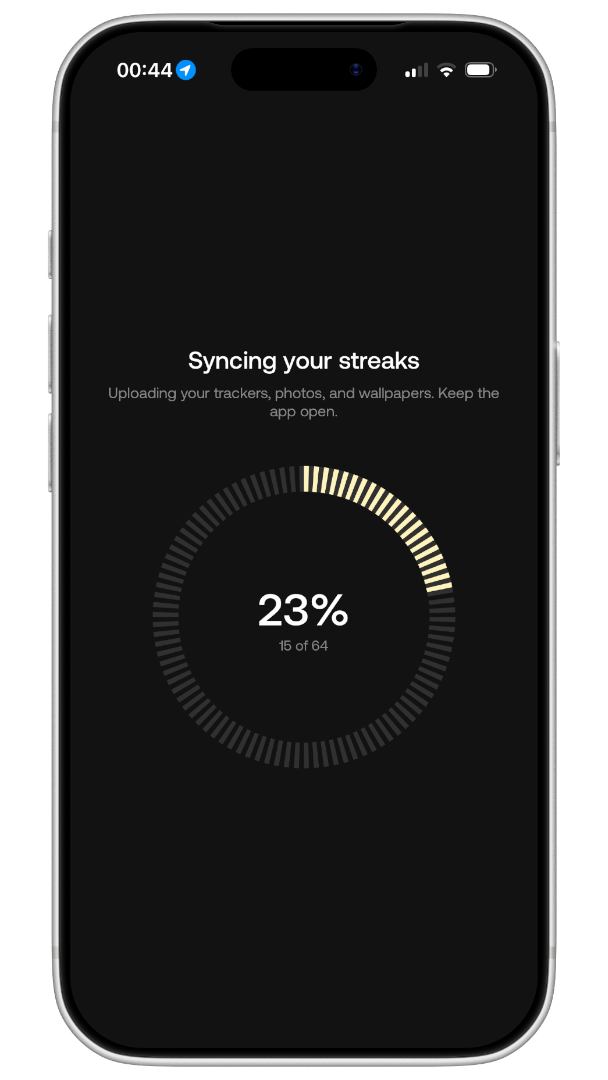
Changing the model also meant writing a migration path for people already using local trackers. When they opened the new version, Streaks uploaded their existing trackers, photos, and wallpapers into the account-backed system before letting them continue.
One migration run had 64 local items to sync. That was the useful number: the old model already held real history, so the rebuild had to preserve it.
A rough split of the six-month build. Most of the time went into changing the product model without losing the thing people had already trusted the app with: their history.
- Product model + rebuild30%moving from local/shared to account-backed trackers
- Core iOS flows25%posting, archives, and tracker details
- Shared trackers + invites20%member flows and invite links
- Location gating10%place search and blocked states
- Landing + App Store surface10%web motion and screenshots
- Polish + tester feedback5%small fixes, edge cases, release cleanup
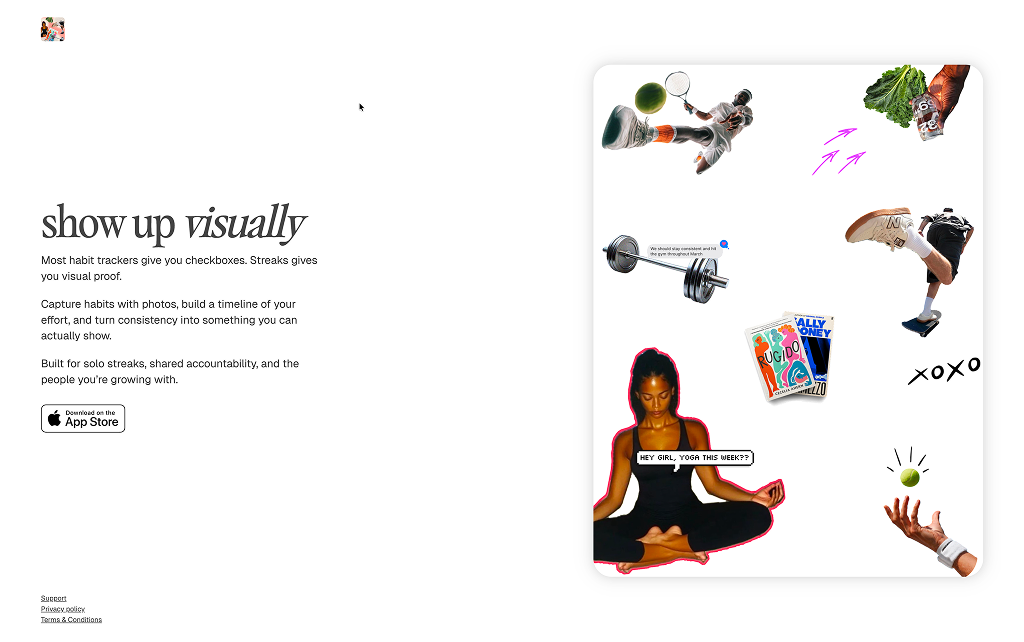
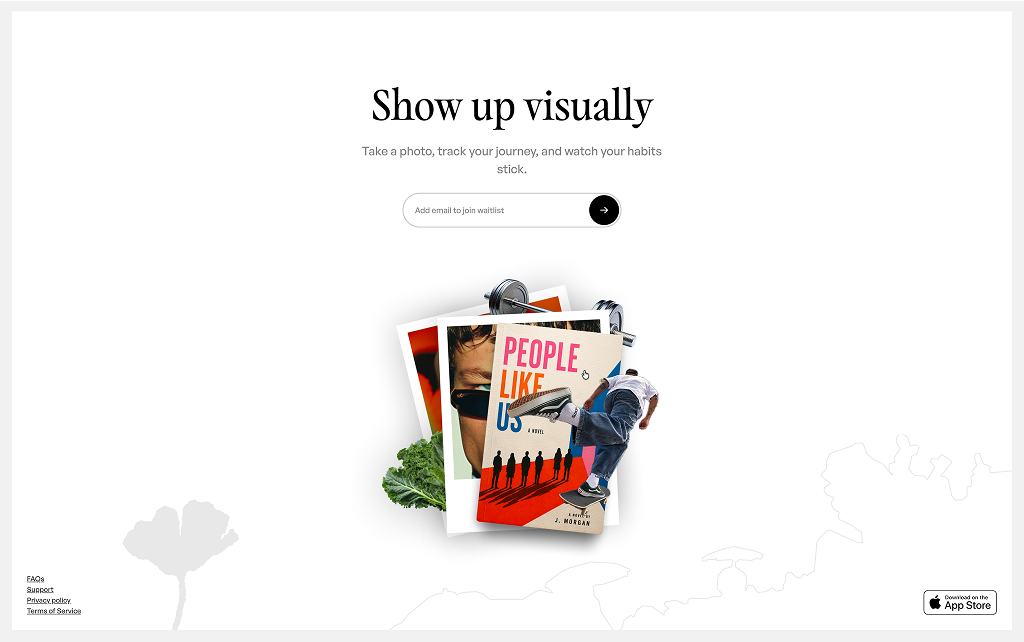
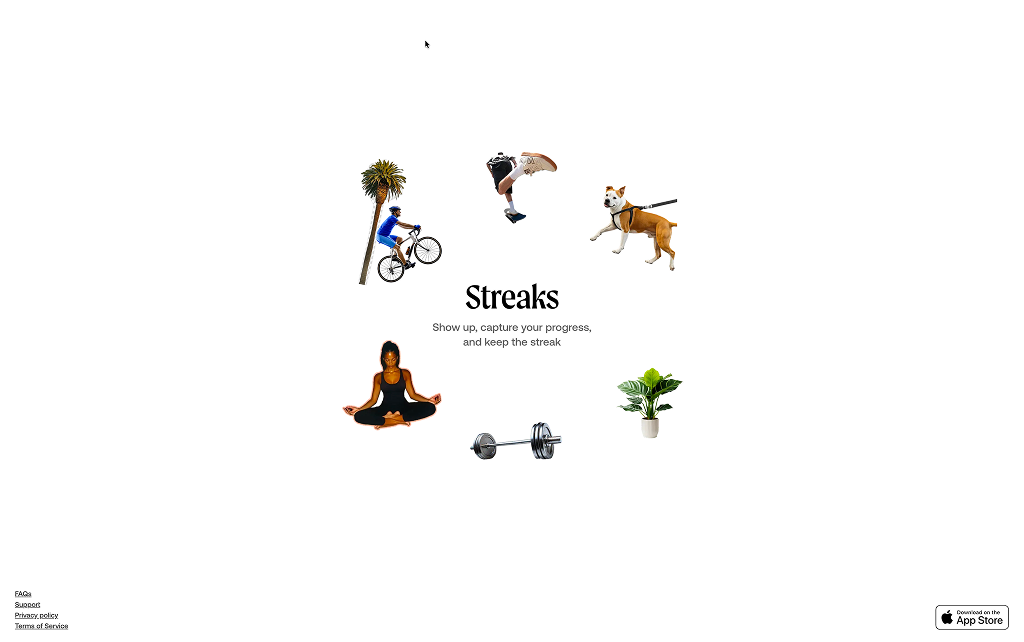
The landing page changed as the app changed: from a simple App Store page to a more visual surface that carried the feeling of Streaks.

Making every tracker durable
I rebuilt the product around continuity. Streaks moved from a local/shared split to an online-first model where every tracker belongs to an account. Shared now simply means more than one member, not a separate kind of tracker.
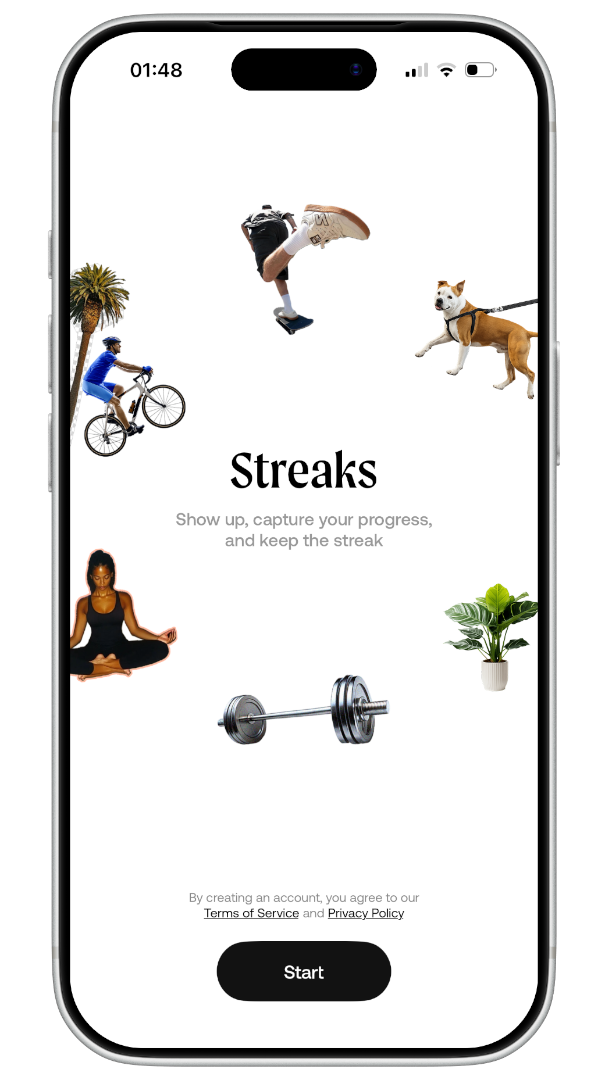
I also simplified onboarding. The old flow asked for email sign-in, then a phone number. The new flow starts with phone verification and only asks for profile details after that. It is less anonymous at the start, but much safer for a product built around history.
The backend had to support that calmness too. Shared photos wait for moderation, notifications are debounced, shared trackers sync quietly, and uploads can recover when storage finishes before Firestore does. The current product is still photo-first, but the system around it is clearer and easier to extend.
The next thing I want to measure is whether shared trackers actually improve return rate, not just whether they make the app feel more alive. Streaks is stronger now, but the product still has to learn which habits need pressure, which ones only need a record, and when the app should stay quiet.
Links & credits
- Design & engineering · Kester Atakere
- Streaks on the App Store
- streaks.me